Telegram-Werbung: wegbekommen, schalten oder daran verdienen
Die deutsche Nachfrage teilt sich in drei, und die größte Gruppe will die Werbung loswerden. Was gesponserte Nachrichten sind, was Telegram für die Auszahlung verlangt und woran Anzeigen tatsächlich scheitern.
 Sarah Johnson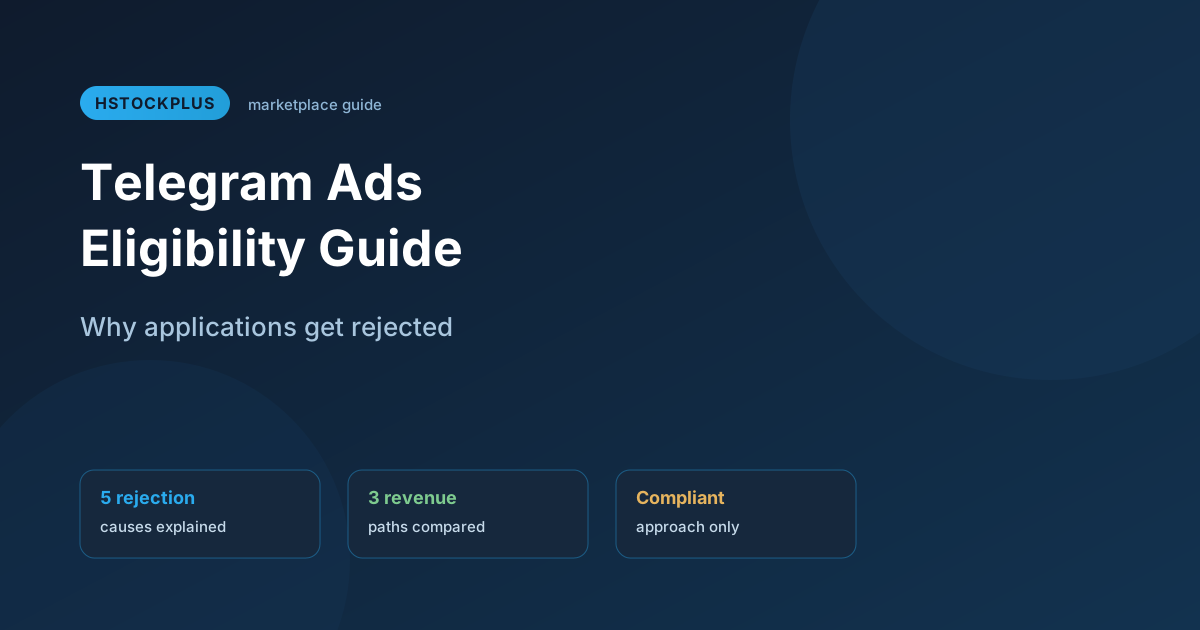
„Hat Telegram überhaupt Werbung?“ ist ein deutscher Suchvorschlag, und er zeigt, wo das Thema hierzulande steht. Die Antwort ist ja, aber an einer sehr eng begrenzten Stelle, und wer Telegram normal benutzt, kann monatelang keine sehen. Von dort aus gehen drei Wege ab, und die deutsche Nachfrage verteilt sich auf alle drei.
Wo diese Anzeigen überhaupt erscheinen
Telegram nennt sie gesponserte Nachrichten und beschreibt sie als sparsame, datenschutzbewusste Anzeigen, die in bestimmten öffentlichen Kanälen erscheinen können. Das ist die entscheidende Einschränkung: in öffentlichen Kanälen. Nicht in Ihren Chats, nicht in Gruppen, nicht in privaten Kanälen und nicht in der Chatliste.
Daraus folgt die Antwort auf „abstellen“ und „ohne Werbung“, und sie ist unbequem: Es gibt keinen Schalter dafür in den Einstellungen. Was es gibt, sind zwei Wege, die tatsächlich etwas ändern. Der eine ist, den betreffenden Kanal zu verlassen, denn die Anzeige hängt am Kanal und nicht an Ihnen. Der andere führt über das Premium-Abonnement.
Hier eine Einschränkung, die wir offenlegen statt sie zu glätten: Dass Premium gesponserte Nachrichten entfernt, wird breit berichtet, steht aber in den Angaben von Telegram, die wir direkt einsehen konnten, nicht ausdrücklich. Wir nennen es deshalb als starkes, aber nicht erstquellenbelegtes Argument. Wenn das Ihr einziger Grund für das Abonnement wäre, prüfen Sie es lieber selbst nach, statt es zu kaufen; was das Abonnement sonst kostet und wie man wieder herauskommt, steht im Beitrag zu Telegram Premium.
Daran verdienen: die Schwelle steht fest
Das ist der Teil, für den es klare, veröffentlichte Zahlen gibt. Telegram hat die Beteiligung der Kanalbetreiber im März 2024 angekündigt, und die Bedingungen sind seither unverändert benannt:
- Öffentliche Kanäle, nicht private. Ein Kanal ohne öffentlichen Namen kommt nicht in Frage, und das ist kein Detail, sondern das erste Ausschlusskriterium.
- Mindestens 1000 Abonnenten. Eine glatte, überprüfbare Schwelle.
- 50 Prozent der Einnahmen aus den Anzeigen, die im eigenen Kanal ausgespielt werden.
- Auszahlung über Fragment. Und das ist der Punkt, der im deutschsprachigen Raum am meisten Aufwand bedeutet: Die Beträge laufen nicht auf ein Bankkonto, sondern über eine Wallet-Plattform im TON-Umfeld. Wer damit nicht arbeiten will, kann die Schwelle erreichen und trotzdem nicht auszahlen.
Was dabei häufig verwechselt wird: Diese Beteiligung ist nicht dasselbe wie ein bezahlter Beitrag, den ein Werbekunde bei Ihnen bucht. Bei der Beteiligung wählen Sie weder den Kunden noch den Text; Telegram spielt aus, Sie bekommen die Hälfte. Bei einem gebuchten Beitrag verhandeln Sie selbst, bekommen alles und tragen die Verantwortung für den Inhalt, auch die rechtliche. Für einen deutschsprachigen Kanal ist der zweite Weg meist der lohnendere und immer der aufwendigere, und er verlangt eine Kennzeichnung als Werbung, die die Beteiligung nicht verlangt.
Schalten: was eine Anzeige durchfallen lässt
Die Werberichtlinien von Telegram sind kurz und ungewöhnlich konkret. Drei Punkte davon erklären fast alle Ablehnungen, und alle drei betreffen nicht die Anzeige, sondern das Ziel:
- Das beworbene Ziel braucht ein Profilbild und einen vollständigen Beschreibungstext. Kanal, Bot oder Konto, gleich welches. Ein leeres Über-Feld reicht zur Ablehnung.
- Ein beworbener Kanal muss in den zwei Wochen vor der Prüfung mindestens einen Beitrag veröffentlicht haben. Ein Kanal, den Sie erst nach dem Anlegen bewerben wollen, fällt genau hier durch.
- Leere oder aufgegebene Ziele werden abgelehnt. Ausdrücklich so benannt.
Dazu die Formvorgabe, an der die meisten Entwürfe scheitern: Der Anzeigentext darf höchstens 160 Zeichen einschließlich Leerzeichen lang sein. Für deutsche Werbetexte ist das eng, weil deutsche Komposita lang sind und eine Handlungsaufforderung dazukommen muss. Rechnen Sie damit, dass ein Text, der auf Englisch passt, auf Deutsch nicht passt.
Und die Inhalte, die gar nicht gehen. Telegram listet zwölf Kategorien, darunter politische Werbung, Glücksspiel, nicht zertifizierte medizinische Leistungen, Waffen, Drogen einschließlich Alkohol und Tabak, irreführende Werbung und Finanzprodukte mit Schadenspotenzial. Für den deutschsprachigen Raum sind vor allem zwei bemerkenswert: Politische Werbung ist vollständig ausgeschlossen, und Glücksspiel ebenfalls, obwohl gerade danach international häufig gesucht wird.
Wenn die Anzeige oder der Antrag abgelehnt wurde
Ablehnungen kommen oft ohne ausführliche Begründung, und das ist der Punkt, an dem Leute anfangen zu raten. Gehen Sie stattdessen die vier prüfbaren Punkte durch, bevor Sie erneut einreichen: öffentlicher Kanal, Profilbild vorhanden, Beschreibung vollständig ausgefüllt, ein Beitrag innerhalb der letzten zwei Wochen. Danach die 160 Zeichen zählen, tatsächlich zählen, nicht schätzen. Erst wenn all das steht, lohnt sich die Frage nach dem Inhalt.
Was hier nicht hilft und regelmäßig versucht wird: gekaufte Abonnenten, um die Schwelle von 1000 zu erreichen. Die Schwelle bezieht sich auf Abonnenten, aber die Einnahmen entstehen aus tatsächlich ausgespielten Anzeigen in einem Kanal, den Leute lesen. Eine Abonnentenzahl ohne Leser erzeugt keine Ausspielungen und damit keine Beteiligung, während sie das Verhältnis von Abonnenten zu Aufrufen sichtbar verschlechtert, und genau dieses Verhältnis sieht sich jeder Werbekunde an, bevor er einen Beitrag bei Ihnen bucht.
Der Weg, der stattdessen funktioniert, hat nichts mit Werbung zu tun, sondern damit, gefunden zu werden. Wie das bei Telegram tatsächlich abläuft, steht im Beitrag zur Auffindbarkeit von Kanälen.